
Rhode Island Adoption Lawyer
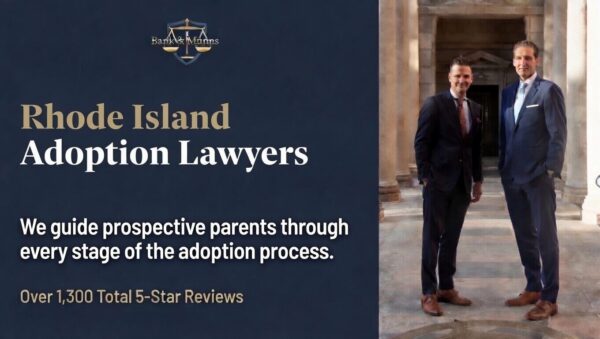
Adoption in Rhode Island is the legal process by which a person or couple assumes full parental rights and responsibilities for a child, permanently severing the legal relationship between the child and their birth parents. The process is governed by Rhode Island Family Court and requires specific filings, home studies, background checks, and judicial approval. At Bank & Munns, our Rhode Island adoption lawyers guide prospective parents through every stage of the adoption process - from the initial petition through the final court hearing. Call 401-573-2265 for a free consultation with a Rhode Island Adoption Lawyer from Bank & Munns. We are available 24/7.
What Is Adoption in Rhode Island?
Adoption is a legal proceeding that permanently transfers all parental rights and responsibilities from a child's birth parents - or from the state, in the case of foster care adoptions - to the adoptive parent or parents. Once finalized by the Rhode Island Family Court, an adoption creates the same legal parent-child relationship as a biological family, including inheritance rights, the right to the child's medical information, and full legal responsibility for the child's care and upbringing.
Under Rhode Island General Laws § 15-7-4, any person residing in Rhode Island may petition the Family Court for leave to adopt a child under the age of 18. The court evaluates each adoption petition based on the best interests of the child.
Types of Adoption in Rhode Island
Domestic Infant Adoption
Domestic infant adoption involves adopting a newborn or young child through a private agency, an adoption attorney, or directly through an agreement with the birth parents. Rhode Island requires the birth parents' consent - or a court finding that their parental rights should be terminated - before an adoption can proceed.
Foster Care Adoption
Foster care adoption involves adopting a child who is in the Rhode Island Department of Children, Youth and Families (DCYF) foster care system. These children have typically had parental rights terminated by the court due to abuse, neglect, or abandonment. Foster care adoption often involves an 8 to 10 week information and preparation process, followed by a detailed home study conducted by the state.
Stepparent Adoption
Stepparent adoption is one of the most common types of adoption in Rhode Island. It occurs when a stepparent legally adopts their spouse's child from a prior relationship. For a stepparent adoption to proceed, the non-custodial biological parent must either voluntarily consent to relinquish their parental rights or have their rights terminated by the court. Once finalized, the stepparent assumes full legal parental status and the biological parent's rights are permanently extinguished.
Relative or Kinship Adoption
Kinship adoption occurs when a relative - such as a grandparent, aunt, uncle, or sibling - adopts a child. This is common when birth parents are unable to care for the child due to substance abuse, incarceration, illness, or death. Rhode Island courts generally favor keeping children within their extended family when possible.
Adult Adoption
Rhode Island also permits the adoption of adults in certain circumstances, typically to formalize a parent-child relationship that has existed emotionally but not legally - for example, when a stepparent wishes to adopt a stepchild who is now an adult.
The Adoption Process in Rhode Island
While the specific steps vary depending on the type of adoption, the general process in Rhode Island involves the following stages:
Step 1: Determine Eligibility and Choose a Path
Prospective adoptive parents work with an attorney or agency to determine the most appropriate type of adoption for their situation and begin gathering required documentation.
Step 2: Home Study
A home study is a comprehensive evaluation of the prospective adoptive family conducted by a licensed social worker or state-approved home finder. It typically includes background checks, interviews, home visits, and a detailed written report (usually 12 to 15 pages) covering the family's history, living situation, finances, and parenting readiness. For DCYF adoptions, prospective parents first complete an 8 to 10 week information and preparation series before the home study begins.
Step 3: Termination of Parental Rights
Before an adoption can be finalized, the legal rights of the birth parents must be terminated - either voluntarily through a written consent, or involuntarily through a court proceeding. This is a critical and often emotionally charged step in the process that requires careful legal handling.
Step 4: Placement and Supervised Period
In most Rhode Island adoptions, the child is placed with the adoptive family for a supervised period before the adoption is finalized. During this time, a social worker monitors the placement and reports to the court.
Step 5: Petition and Final Hearing
The adoptive parents file a formal petition for adoption with the Rhode Island Family Court. A judge reviews the home study, background checks, consents, and other required documentation. If all requirements are met and the judge determines the adoption is in the child's best interests, a final adoption decree is entered. The child's birth certificate is then reissued reflecting the adoptive parents.
6 Important Things to Know About Adoption in Rhode Island
- A home study is required for most adoptions. Rhode Island requires a home study for virtually all adoption types. This comprehensive evaluation of the prospective adoptive family is conducted by a licensed social worker and must be approved before the adoption can proceed. For DCYF adoptions, an information preparation series must also be completed first.
- Both birth parents must consent or have rights terminated. For an adoption to proceed in Rhode Island, both birth parents must either voluntarily relinquish their parental rights or have those rights involuntarily terminated by the Family Court. Even an absent or unknown parent may require legal proceedings before the adoption can move forward.
- Stepparent adoption requires the non-custodial parent's consent. In a stepparent adoption, the biological parent who does not have custody must either consent in writing to relinquish their parental rights or have those rights terminated by the court - for example, on grounds of abandonment or failure to support.
- The adoption is final once the court issues a decree. Once the Rhode Island Family Court issues a final adoption decree, the adoption is permanent and irrevocable. The child receives a new birth certificate listing the adoptive parents, and the legal relationship is identical to that of a biological family.
- Adopted children have the same inheritance rights as biological children. Once an adoption is finalized in Rhode Island, the child has the same legal rights - including inheritance rights - as a biological child of the adoptive parents. The child also loses automatic inheritance rights from the birth parents unless specifically provided for in a will.
- An attorney is critical at every stage. Adoption involves complex legal filings, court appearances, agency requirements, and time-sensitive procedures. An experienced Rhode Island adoption lawyer ensures every step is completed correctly - protecting both the adoptive family and the child throughout the process.
Termination of Parental Rights in Rhode Island
Termination of parental rights (TPR) is the legal process by which a birth parent's rights and responsibilities toward their child are permanently ended by court order. In Rhode Island, parental rights can be terminated either voluntarily ,when a birth parent consents to relinquish their rights, or involuntarily by the Family Court.
Grounds for involuntary termination of parental rights in Rhode Island include:
- Abandonment of the child
- Chronic abuse or neglect
- Unfitness to parent due to substance abuse, mental illness, or other factors
- Failure to maintain contact or provide financial support for a significant period
- The parent's rights to another child having previously been terminated
Termination of parental rights proceedings are among the most serious matters handled in Rhode Island Family Court. Whether you are petitioning for termination as part of an adoption or responding to a termination petition, legal representation is essential.
How Bank & Munns Can Help With Your Rhode Island Adoption
Adoption is one of the most meaningful legal proceedings a family can undertake - and one of the most complex. At Bank & Munns, our Rhode Island adoption lawyers provide comprehensive legal guidance for all types of adoptions, including:
- Domestic infant and private adoptions
- Foster care and DCYF adoptions
- Stepparent adoptions
- Relative and kinship adoptions
- Adult adoptions
- Termination of parental rights proceedings
- Interstate adoptions involving the Interstate Compact on the Placement of Children (ICPC)
Our attorneys work closely with families to navigate every stage of the process - from the home study and court filings to the final adoption hearing - ensuring that your family's journey to adoption is handled with the care and precision it deserves.
Contact Bank & Munns today at 401-573-2265 for a free consultation. A Rhode Island Adoption Lawyer is available 24/7.
Frequently Asked Questions - Rhode Island Adoption Lawyer
Contact a Rhode Island Adoption Lawyer at Bank & Munns
If you are ready to begin the adoption process in Rhode Island - or if you have questions about what is involved - the attorneys at Bank & Munns are here to help. We work with families through every stage of the process with the care, precision, and personal attention this life-changing event deserves.
We offer a free consultation and are available 24 hours a day, 7 days a week. Call 401-573-2265 or contact us online today.